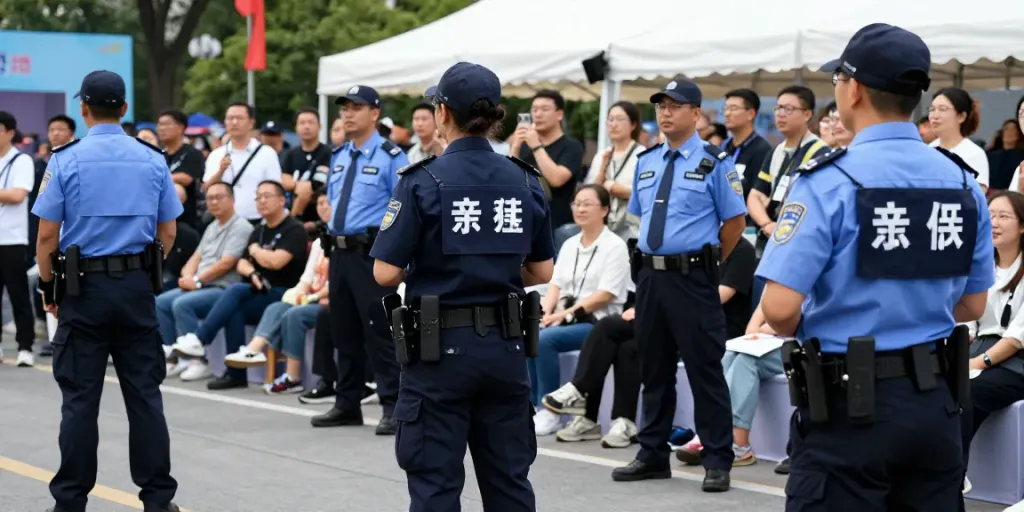
Understanding Event Security and Its Importance
Event security is a critical aspect of event management that ensures the safety and smooth operation of various gatherings, from corporate meetings and concerts to festivals and weddings. Understanding the dynamics of event security is essential for organizers to anticipate potential risks and implement effective preventive measures. When exploring options, Event Security services provide comprehensive insights into managing safety protocols, crowd control, and logistical planning for successful events.
What Is Event Security?
Event security encompasses a range of protective measures and strategies employed to maintain safety during gatherings. This includes planning for potential threats, managing access points, ensuring crowd control, and responding to emergencies. Event security aims to create a secure environment that allows attendees to enjoy the occasion without fear or disruption.
Key Roles and Responsibilities of Event Security
- Access Control: Monitoring and managing entry points, ensuring that only authorized personnel and guests are allowed into the venue.
- Crowd Management: Controlling large groups of people to prevent overcrowding and ensuring a smooth flow during the event.
- Emergency Response: Being prepared to handle emergencies, from minor incidents to significant security threats, and having a well-defined plan for evacuation if needed.
- Communication: Operating an effective communication strategy to coordinate with event organizers, emergency services, and security personnel onsite.
Types of Events Requiring Security Services
Various events require specialized security services, such as:
- Corporate Events: Conferences and business meetings often need private security to protect sensitive information and ensure an organized environment.
- Concerts and Festivals: Large crowds present unique challenges, necessitating professionals trained in crowd control and emergency management.
- Private Functions: Weddings, parties, and other gatherings may require discreet security to maintain the atmosphere while ensuring guest safety.
- Sporting Events: High-attendance events typically necessitate robust security measures to mitigate risks associated with large crowds.
How to Select the Right Local Event Security Provider
Choosing the right event security provider is crucial for ensuring your event runs smoothly and safely. Here are some considerations to keep in mind when selecting a service:
Factors to Consider When Choosing Security Services
- Experience: Look for providers with a solid track record in the specific type of event you are organizing.
- Service Range: Ensure the provider offers a comprehensive range of security services tailored to your event's needs.
- Relationship: A provider that fosters a good relationship with event planners will better understand your security expectations.
Checking Accreditations and Licenses
It’s essential to verify that the event security company holds the necessary accreditations and licenses, which can include:
- SIA License: Security personnel in the UK must be licensed by the Security Industry Authority (SIA).
- NSI Certification: This denotes compliance with the highest standards in the security industry, ensuring quality and professional service.
Reading Customer Reviews and Testimonials
Customer reviews can provide valuable insights into a security provider’s reliability and effectiveness. Look for testimonials that highlight the company's responsiveness, professionalism, and ability to handle emergencies smoothly.
Understanding Event Security Pricing and Cost Breakdown
The cost of securing an event can vary significantly based on various factors, including venue size, event type, and the level of security needed. Understanding the pricing structure will help you make informed budgeting decisions.
Typical Pricing Models for Event Security Services
- Hourly Rates: Many security companies charge by the hour, typically ranging from £12-£25 depending on the complexity of services required.
- Flat Rates: Some providers might offer a flat fee for entire events, especially for larger functions, which can help in budgeting.
Factors Influencing Cost in London
When considering the cost of event security in London, key factors include:
- Size and nature of the event.
- Location and venue restrictions.
- Duration of the event and total staffing requirements.
Expected Return on Investment for Your Event
Investing in high-quality security services can enhance the overall safety and enjoyment of your event. A good security presence can help prevent incidents, maintain order, and ensure that guests feel safe, leading to positive reviews and repeat business.
Licensing Requirements and Industry Regulations for Event Security
Understanding licensing requirements is paramount in ensuring compliance with local laws and regulations affecting event security personnel.
Importance of SIA Licensing in Event Security
The Security Industry Authority (SIA) regulates the security industry in the UK, ensuring that those employed in security roles have appropriate training and vetting. Always verify that your security provider employs SIA-licensed guards to guarantee professional standards.
Compliance with Local Regulations and Standards
Event organizers are responsible for ensuring that they comply with local safety regulations. A reputable security provider should be familiar with these and offer guidance on the best practices to follow.
Best Practices for Maintaining Legal Compliance
- Regular Training: Ensure that security personnel are regularly trained to stay updated on legal requirements and industry standards.
- Documentation: Maintain thorough documentation of all security measures taken, plans implemented, and staff qualifications.
Seasonal Tips for Event Security Planning
Different seasons present unique challenges for event security planning. Understanding these can help enhance your security measures effectively.
Common Risks During Summer Events
Summer events often experience increased attendance, which can lead to congestion and security issues. Having sufficient security personnel to manage crowds and monitor entrances is crucial.
Winter Event Security Challenges and Solutions
Winter events may face specific risks such as adverse weather conditions. Ensuring that all paths are safe and accessible, along with having contingency plans for outdoor events, is essential.
How Seasonal Trends Affect Event Security Needs
As seasons change, so do security requirements. For instance, festivals in summer may need more crowd control measures compared to intimate gatherings in winter. Consider adapting your security plan to align with seasonal trends for optimal safety.
FAQs about Event Security
What does event security typically involve?
Event security generally involves planning, crowd management, emergency preparedness, and access control.
How far in advance should I book security for my event?
It’s advisable to book your event security providers at least several weeks in advance to ensure availability and proper planning.
What are the qualifications of event security personnel?
Event security personnel should generally have relevant training, including first aid, conflict resolution, and knowledge of emergency protocols. For more information, Event Security offers valuable insights. They should also be SIA-licensed in the UK to comply with legal requirements.