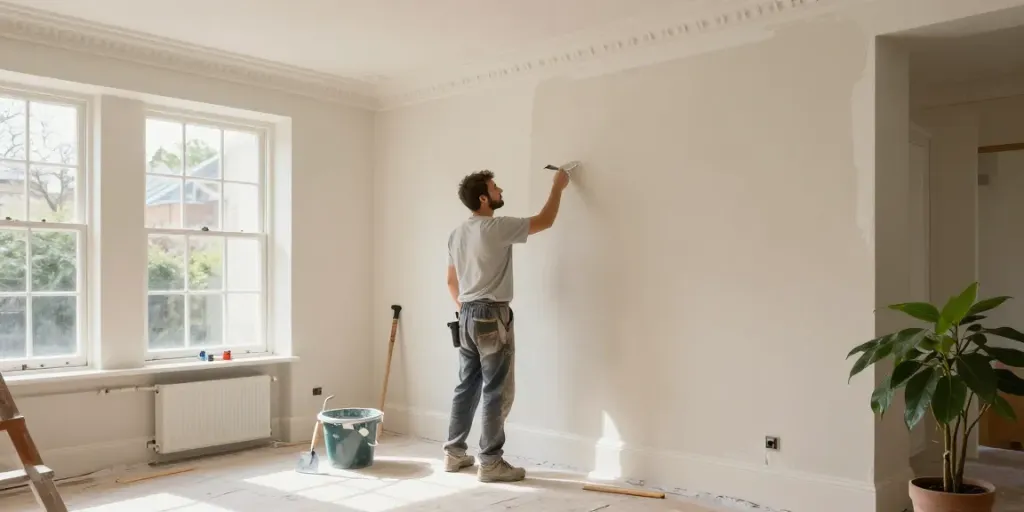
Understanding Plastering Services in London
When it comes to enhancing your home or business's aesthetic appeal and ensuring structural integrity, plastering services are essential elements of property maintenance. In London, where properties range from historic buildings to modern developments, the variety of plastering techniques available is vast. Understanding these services can help homeowners and property managers make informed decisions that improve their spaces effectively. For those exploring options, Plastering Service London provides comprehensive insights into various plastering solutions tailored to the needs of London properties.
What Is Plastering and Why Is It Important?
Plastering is the process of applying a mixture, typically made of gypsum, lime, or cement, to walls and ceilings, creating a smooth, protective surface. This foundational technique is vital for both aesthetic and functional reasons. Here are some key reasons why plastering is important:
- Protection: Plaster acts as a protective layer for walls and ceilings, safeguarding them from environmental elements, moisture, and wear.
- Insulation: Properly plastered walls can enhance the thermal insulation of a building, contributing to lower energy costs and improved comfort.
- Aesthetic Enhancement: A well-plastered surface sets the stage for painting or wallpapering, allowing for a clean, professional finish that elevates the overall look of a space.
Types of Plastering Services Available
In London, various plastering services cater to different needs:
- Wall and Ceiling Skimming: A thin layer of plaster is applied over existing surfaces to create a fresh finish.
- Plaster Repairs: Addressing cracks, holes, or damaged areas to restore the integrity of the surface.
- Rendering: External plastering applied to walls to enhance aesthetic appeal and weather resistance.
- K Rend: A modern render system providing durable, textured finishes suitable for exterior walls.
Benefits of Professional Plastering Services
Hiring professional plastering services offers numerous benefits:
- Expertise: Professional plasterers have the skills and experience required for high-quality finishes.
- Time-Efficiency: Professionals can complete plastering jobs in a fraction of the time it would take an inexperienced individual.
- Quality Assurance: Hiring experts ensures that the work meets industry standards and provides longevity.
Factors Influencing Plastering Costs in London
Surface Condition and Preparation
The condition of the surfaces being plastered significantly affects the overall cost. If walls are cracked or damaged, additional preparation work may be needed, which could increase labor costs. Surface preparation often involves removing old plaster, cleaning the area, and repairing any damage before new plaster can be applied.
Access and Location Considerations
Access plays a crucial role in the pricing of plastering services. Properties located in hard-to-reach areas or those requiring scaffolding may incur higher costs. Furthermore, the location within London can influence pricing due to varying labor rates and travel expenses.
Materials and Techniques Used
The type of materials used for plastering also varies in cost. Traditional gypsum plaster may be more affordable than modern products like K Rend, which offer advanced durability and insulation properties. Additionally, the chosen plastering technique, whether skimming, boarding, or rendering, will also affect the overall quote.
Cost Comparison of Common Plastering Services
Wall and Ceiling Skimming
Wall and ceiling skimming typically costs between £10 to £25 per square meter in London. The final price depends on the existing surface condition and the intricacy of the work involved.
Plaster Repairs and Renovation
For plaster repairs, pricing can vary widely based on the extent of the damage. Simple repairs might cost around £100, while more extensive renovations could go upwards of £1,000 depending on the scope.
Rendering Services Explained
Rendering services, including K Rend and traditional sand and cement render, can significantly enhance a building's exterior. Costs typically range from £40 to £70 per square meter, depending on the material and finish applied.
How to Get an Accurate Plastering Quote
Essential Details to Provide
To receive an accurate quotation, it's crucial to provide detailed information about the project. Details such as the size of the area, current surface conditions, and specific services required will help plasterers offer precise estimates.
Understanding Quotation Estimates
Quotation estimates often outline costs for labor, materials, and preparation work. Understanding how these components fit together can help homeowners budget effectively.
Common Myths about Plastering Costs
Many people believe that plastering costs are fixed per square meter; however, this is not true. Costs vary based on multiple factors, including the condition of the surface, the required finish, and accessibility considerations.
Tips for Choosing the Right Plastering Service
What to Look for in a Professional Plasterer
When selecting a plastering contractor, ensure they have adequate experience and positive customer reviews. It’s advisable to check their portfolio to assess the quality of their past work.
Reading Customer Reviews and Testimonials
Customer reviews can provide valuable insights into a plasterer’s reliability, professionalism, and quality of work. Look for testimonials that mention specific projects similar to yours.
Choosing Based on Project Needs and Budget
Align your choice of plastering service with your specific project needs and budget. Always request multiple quotes to compare services and costs before making a decision.
How much does a plasterer cost in London?
The average cost for plastering services in London ranges based on the project scale. Basic plastering jobs start around £300, while comprehensive projects can reach several thousand pounds.
Can I plaster a wall myself?
While DIY plastering is possible, achieving a professional finish requires skill and experience. Without proper knowledge, you may encounter issues with surface preparation and plaster application.
How long does plastering take to dry?
Plaster typically takes about 24 to 48 hours to dry, depending on environmental conditions, thickness, and the materials used. Always allow sufficient time before decorating over freshly plastered surfaces.
What are common plastering problems?
Common issues include cracks, peeling plaster, and uneven surfaces. These problems often arise from improper application or failure to address underlying issues like dampness or structural movement.
How do I maintain my plastered walls?
To maintain plastered walls, regularly check for signs of damage and address any cracks or damp spots immediately. A good cleaning routine can also help preserve the appearance of plaster finishes.