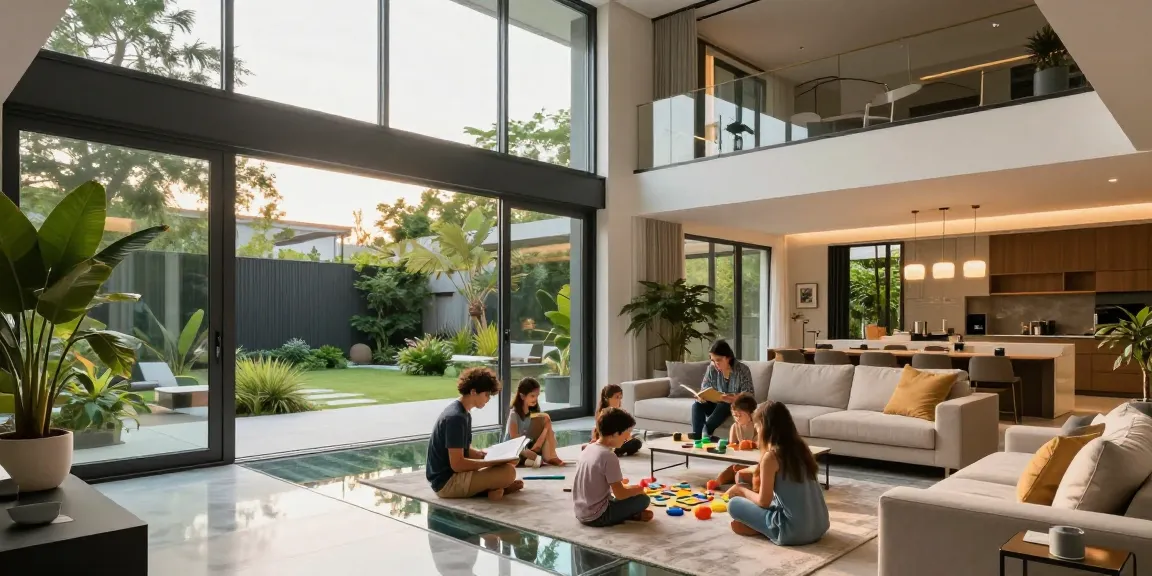
Understanding Structural Glazing Solutions
In contemporary architectural design, the term structural glazing solutions has garnered significant attention, particularly in residential spaces. These innovative systems not only enhance aesthetic appeal but also offer functional benefits that can transform ordinary homes into extraordinary living spaces. As building techniques evolve, homeowners and architects alike are increasingly turning to structural glazing as a viable alternative to traditional materials. This article delves into the multifaceted advantages of structural glazing, its installation process, maintenance needs, financial considerations, and future trends within this exciting field.
What Are Structural Glazing Solutions?
Structural glazing refers to a technique where glass is used as a fundamental structural element of a building. Unlike conventional glazing, which primarily serves as a barrier, structural glazing systems utilize specially engineered glass that supports loads, allowing for expansive and uninterrupted views. These systems can be applied to facades, roofs, and even floors, creating an elegant and modern aesthetic while ensuring durability and strength.
Benefits of Structural Glazing in Residential Design
The integration of structural glazing in residential design offers numerous benefits:
- Aesthetic Appeal: Large expanses of clear glass enhance natural light, creating a sense of openness and connection with the outdoors.
- Energy Efficiency: Modern glazing technologies significantly improve insulation properties, reducing heating and cooling costs.
- Safety Features: Advanced structural glazing systems are designed to withstand high winds and impacts, ensuring safety for occupants.
- Low Maintenance: High-quality glass materials resist dirt and grime, making cleaning and maintenance less frequent and easier.
- Sustainability: Many structural glazing solutions incorporate recycled materials, contributing to more sustainable building practices.
Key Components of Structural Glazing Systems
Understanding the components of structural glazing systems can help homeowners appreciate their advancements:
- Glass:Engineered to carry structural loads, often laminated or tempered for enhanced safety.
- Adhesive Systems: Special adhesives bond the glass to the building's framework, creating a seamless appearance and enhanced stability.
- Frame Systems: Aluminum or steel frames provide additional structural integrity while supporting the glass and ensuring proper alignment.
- Sealants: Weatherproofing and waterproofing sealants are critical to preventing air and water infiltration.
Installation Process for Structural Glazing
The installation of structural glazing is a meticulous process requiring trained professionals. Proper execution is vital to ensure the longevity and safety of the system. When considering installation, it is crucial to collaborate with experienced contractors who specialize in structural glazing solutions.
Preparing Your Space for Installation
Before installation begins, it is essential to prepare the space adequately. This includes removing any existing structures that may obstruct the new glazing and addressing any underlying issues with the building’s framework. Planning the design layout is also critical to ensure that the structural integrity aligns with the aesthetic vision.
Step-by-Step Guide to Installing Structural Glazing
- Site Assessment: Evaluate the area to identify potential challenges, such as structural load requirements and environmental factors.
- Glass Fabrication: Order and fabricate the glass panels according to specifications, ensuring they meet safety and design standards.
- Framework Installation: Install the framing systems that will hold the glass in place, ensuring they are securely anchored to the building structure.
- Glass Placement: Carefully position and secure the glass panels using advanced adhesive systems, paying close attention to alignment.
- Sealing: Apply sealants around the edges to prevent air and water infiltration, ensuring a weather-tight installation.
Common Challenges During Installation
While installing structural glazing systems, several challenges may arise:
- Weather Conditions: Rain or extreme temperatures can impact the curing process of adhesives and sealants.
- Glass Handling: Due to the size and weight of glass panels, transporting and positioning them requires specialized equipment to prevent damage.
- Structural Integrity: Inadequate preparation of the existing structure can lead to complications during installation, necessitating additional reinforcement.
Maintenance and Care for Structural Glazing Solutions
Maintaining structural glazing systems is crucial for their long-term performance and appearance. By understanding routine maintenance and care practices, homeowners can ensure their installation remains in optimal condition.
Routine Maintenance Practices
Regular maintenance activities should include:
- Cleaning: Use mild soap and water to clean glass surfaces, avoiding abrasive materials that can scratch the glass.
- Inspection: Periodically check sealants and frame systems for signs of wear or damage.
- Debris Removal: Regularly remove any leaves, dirt, or other debris from the glazing and surrounding areas to prevent buildup.
Signs Your Structural Glazing Needs Repair
Homeowners should be vigilant for signs of potential issues:
- Condensation: Persistent condensation between glass panes may indicate seal failure.
- Cracks or Chips: Any visible damage to the glass should be assessed immediately to avoid further deterioration.
- Water Infiltration: If water leaks are observed, it may indicate a failure in the sealing systems.
Best Practices for Long-Term Care
For long-lasting performance, consider the following practices:
- Seasonal Inspections: Conduct thorough checks before and after major weather changes to identify any necessary repairs early.
- Professional Maintenance: Engage professionals for periodic assessments and maintenance to ensure all systems are functioning correctly.
- Document Maintenance: Keep a record of all maintenance work performed to track the history of the installation.
Cost Considerations for Homeowners
Understanding the financial aspects of installing structural glazing is essential for homeowners planning to enhance their properties. While initial costs may seem higher than traditional materials, the long-term savings and benefits often outweigh the expense.
Budgeting for Structural Glazing Solutions
Homeowners should account for various factors when budgeting:
- Material Costs: Prices for high-quality glass and framing systems can vary significantly based on type and specifications.
- Labor Costs: Professional installation is essential for structural glazing, and labor costs will factor into the overall budget.
- Additional Features: Consider if additional features like tinted or coated glass will enhance energy efficiency and warrant the extra expense.
Comparing Costs: Traditional vs. Structural Glazing
When comparing costs:
- Initial Investment: Structural glazing may require a higher upfront investment compared to traditional windows and walls.
- Operating Costs: Energy efficiency of structural glazing often leads to lower utility bills over time.
- Resale Value: The aesthetic appeal and modern look of structural glazing can increase property value, providing a return on investment.
Financing Options for Structural Glazing Projects
Homeowners exploring financing options should consider:
- Home Equity Loans: Leveraging home equity can provide necessary funds for home improvement projects.
- Personal Loans: Unsecured personal loans may be a suitable option for smaller projects.
- Government Grants: Research local and federal programs that may offer financial assistance for energy-efficient home upgrades.
Future Trends in Structural Glazing Solutions
The field of structural glazing is continuously evolving, with advancements shaping its future in residential design. Awareness of these trends can help homeowners make informed decisions when considering upgrades.
Innovations in Structural Glazing Technology
Future innovations may include:
- Smart Glass: Technology that allows glass to adjust its opacity based on sunlight exposure, enhancing energy efficiency.
- Self-Cleaning Glass: Coatings that reduce the need for regular cleaning, improving maintenance performance.
- Advanced Insulation: New materials and technologies that further enhance the thermal performance of glazing systems.
Predictions for Residential Design Trends in 2026
Looking ahead, the following trends are expected to dominate residential design:
- Biophilic Design: Incorporating natural elements, including extensive glazing to connect indoor spaces with nature.
- Minimalist Aesthetics: The use of clean lines and open spaces with maximum glass exposure to create a sense of simplicity.
- Multi-Functional Spaces: Homes designed with flexible areas that can change purpose, often incorporating structural glazing for light and openness.
How Sustainability Influences Structural Glazing
As environmental concerns grow, sustainability is increasingly influencing structural glazing solutions:
- Recyclable Materials: The trend towards using recyclable materials in glazing technologies is on the rise, enhancing sustainability.
- Energy Efficiency Standards: Increasingly stringent building codes are driving innovations that improve the energy performance of structural glass.
- Green Certifications: Buildings incorporating structural glazing may qualify for various green building certifications, adding to their marketability and value.
What are the advantages of structural glazing solutions?
Structural glazing solutions provide numerous advantages, including enhanced aesthetics, improved energy efficiency, and safety features that make them suitable for modern residential designs.
How long does installation of structural glazing take?
The installation process can vary based on the project scale but typically takes several days to weeks, considering site preparation and weather conditions.
What maintenance is required for structural glazing systems?
Maintenance includes regular cleanings, inspections for sealant integrity, and debris removal to ensure longevity and functionality.
Are structural glazing solutions energy efficient?
Yes, many modern structural glazing solutions are designed with energy efficiency in mind, incorporating advanced insulation properties that reduce heating and cooling costs.
What future trends should homeowners be aware of?
Homeowners should keep an eye on innovations in smart glass technology, sustainability initiatives, and evolving design aesthetics that leverage structural glazing for modern living.