Understanding Period Property Tiling
When it comes to enhancing the aesthetic appeal of historic homes, period property tiling stands out as a primary consideration for homeowners and renovators. This unique tiling not only reflects the rich history of the property but also serves as a functional component that can bring both elegance and durability to any room. In this article, we will explore the nuances of period property tiling, from its historical significance to the various styles and materials that can be utilized for both restoration and new installations.
What is Period Property Tiling?
Period property tiling refers to the use of tiles that are appropriate for the historical and architectural style of a building. These tiles range from the intricate patterns found in Victorian homes to the simpler, yet equally elegant designs typical of Georgian properties. The key to successfully implementing period tiles lies in their ability to complement the overall design of the house while maintaining the integrity of its historical aesthetic.
Historical Significance of Period Tiles
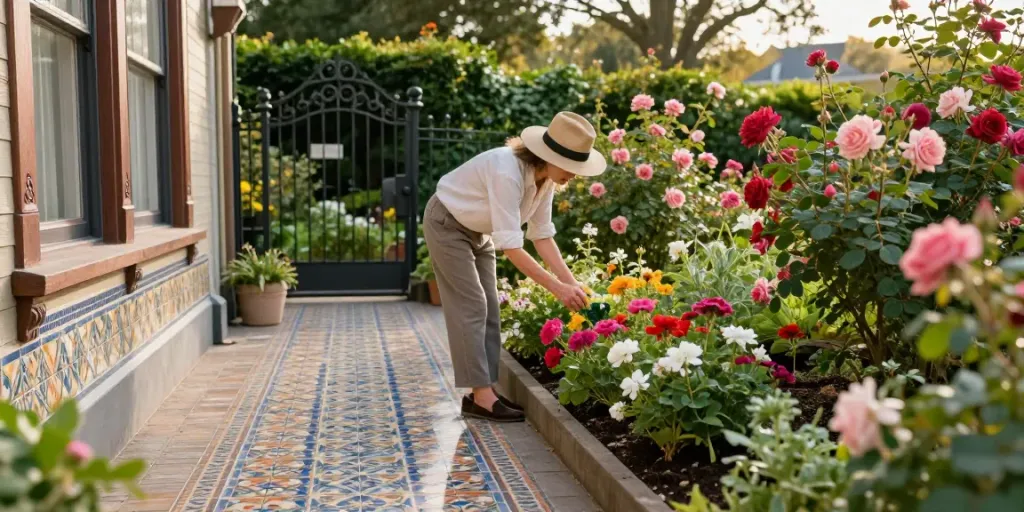
Historically, tiles have been used in homes for both decorative and practical reasons. In many period properties, tiling was a reflection of wealth and sophistication. For instance, the Victorian era saw a significant boom in decorative tiles, often featuring bold colors and geometric patterns. These tiles were not only used for flooring but also for fireplaces, kitchen backsplashes, and even exterior paths. Understanding the historical context of these tiles can greatly enhance their placement and appeal in modern renovations.
Common Styles of Period Property Tiling
Several distinct styles of period property tiles have emerged over the years, each offering a unique aesthetic:
- Victorian Tiles: Known for their vibrant colors and elaborate patterns, Victorian tiles often include encaustic designs. They are perfect for creating striking hallways or kitchens.
- Georgian Tiles: Featuring simpler patterns and muted tones, Georgian tiles are characterized by their elegance and can serve as a backdrop in more understated rooms.
- Art Deco Tiles: Art Deco introduced a more modern design philosophy, integrating bold geometric shapes and colors that stand out in period restorations.
Choosing the Right Tiles for Your Home
Selecting the right tiles for your period property can be a daunting task, especially with the myriad of options available. By understanding materials, colors, and styles, homeowners can make informed decisions that enhance both the property's character and functionality.
Materials and Their Benefits
When it comes to materials for period property tiling, the choice often boils down to aesthetics and practicality. Common materials include:
- Ceramic Tiles: Durable and easy to clean, ceramic tiles are a versatile choice for both floors and walls.
- Porcelain Tiles: These tiles offer high durability and a range of styles, making them suitable for high-traffic areas.
- Natural Stone: Choices like slate or travertine can provide a rustic yet elegant look, especially in bathrooms and kitchens.
How to Select the Right Color Palette
The color palette for your tiles should harmonize with the overall design of your home. It’s essential to consider:
- Historical Accuracy: Research the colors that were popular during your property’s era. For example, Victorian homes often utilized rich hues, while Georgian properties tended to favor softer pastels.
- Lighting: Consider how natural light interacts with your chosen colors. Lighter shades can brighten a space, while darker tiles can add depth and sophistication.
Considerations for Different Period Styles
Each period has its own unique characteristics, and tiles should reflect these nuances. For example:
- In a Victorian property, the use of decorative tiles in vibrant colors can enhance the home’s grandeur.
- For a Georgian home, opting for plain or minimally patterned tiles can maintain its understated elegance.
Installation Process for Period Tiling
Proper installation is crucial for the longevity of period tiles. A meticulous approach ensures that the classic beauty of these tiles shines through while adhering to historical correctness.
Preparing the Surface for Installation
Before laying tiles, a well-prepared surface is essential. This involves:
- Cleaning the substrate to remove dust, debris, and any previous adhesive.
- Ensuring the surface is level and free from moisture, which could affect the tile adhesion.
Step-by-Step Installation Guide
The installation process for period tiles can be summarized in several steps:
- Plan Your Design: Using a grid system can help maintain straight lines and even spacing.
- Adhesive Application: Apply tile adhesive evenly on the surface with a notched trowel.
- Placing the Tiles: Begin from the center and work outwards, pressing each tile firmly into place.
- Grouting: Once the tiles are set, apply grout carefully, ensuring all gaps are filled.
- Sealing: After the grout has cured, seal the tiles for added protection.
Common Mistakes to Avoid During Installation
To avoid costly mistakes during installation, keep the following tips in mind:
- Don't rush the layout design; take time to plan for intricate patterns.
- Ensure tiles are adequately spaced; uneven gaps can detract from the overall design.
- Neglecting to seal can lead to stains and damage over time.
Maintenance and Care for Period Tiles
Once installed, period tiles require specific maintenance to keep them looking their best. Regular care not only maintains their appearance but also extends their lifespan.
Best Cleaning Practices for Longevity
To keep period tiles in excellent condition, follow these cleaning practices:
- Use a pH-neutral cleaner to avoid damaging the tile surface.
- Regularly sweep or vacuum to remove dirt and debris.
- For deeper cleans, damp mop with warm water and a mild detergent.
Repairing Damaged Tiles
In case of chips or cracks, it’s vital to address these issues promptly. Depending on the damage, repairs can range from regrouting to replacing the damaged tile entirely.
Sealing Tiles for Protection
Applying a sealant to period tiles can prevent stains and make cleaning easier. Be sure to follow the manufacturer’s instructions for the best results.
Future Trends in Period Property Tiling for 2026
As we move toward 2026, several trends are emerging that could influence the world of period property tiling, particularly in the context of sustainability and innovation.
Innovative Materials and Techniques
New technology is leading to the development of advanced materials that mimic the look of traditional tiles while providing enhanced durability and ease of maintenance. For example, tiles made from recycled materials offer an eco-friendly solution that doesn’t compromise on aesthetics.
Sustainability in Period Tiling
There is a growing demand for sustainable practices in home renovations, including the use of tiles sourced from environmentally responsible manufacturers. This trend not only supports eco-friendly initiatives but also appeals to modern homeowners looking to reduce their carbon footprint.
Predictions for Style Innovations
As designers continue to blend traditional aesthetics with contemporary design, expect to see a rise in unique color combinations and tile patterns that pay homage to historical styles while adapting to modern tastes.
What counts as a period property?
Period properties are typically structures that reflect specific historical styles, often built before World War II. Their architectural features, such as moldings, window styles, and roof designs, contribute to their categorization as period homes.
How much do tiles cost for a 1000 sq ft house?
The cost of tiling a 1000 sq ft house can vary widely based on the type of tile chosen, installation complexity, and labor costs. On average, homeowners can expect to spend anywhere from $1,000 to $10,000, depending on these variables.
What are class 4 tiles?
Class 4 tiles are rated for residential use and can handle moderate foot traffic. They are ideal for areas such as living rooms, dining areas, and some light commercial applications.
What is a period style home?
A period style home is characterized by design elements and materials that reflect a specific historical era. This can include Victorian, Georgian, Edwardian, and more, each bringing its unique architectural features and decorative details.
How to properly maintain period property tiles?
Proper maintenance of period property tiles involves regular cleaning, addressing repairs promptly, and applying sealants to protect against stains and wear. Adopting a proactive maintenance approach can significantly enhance the longevity of your tiles.